


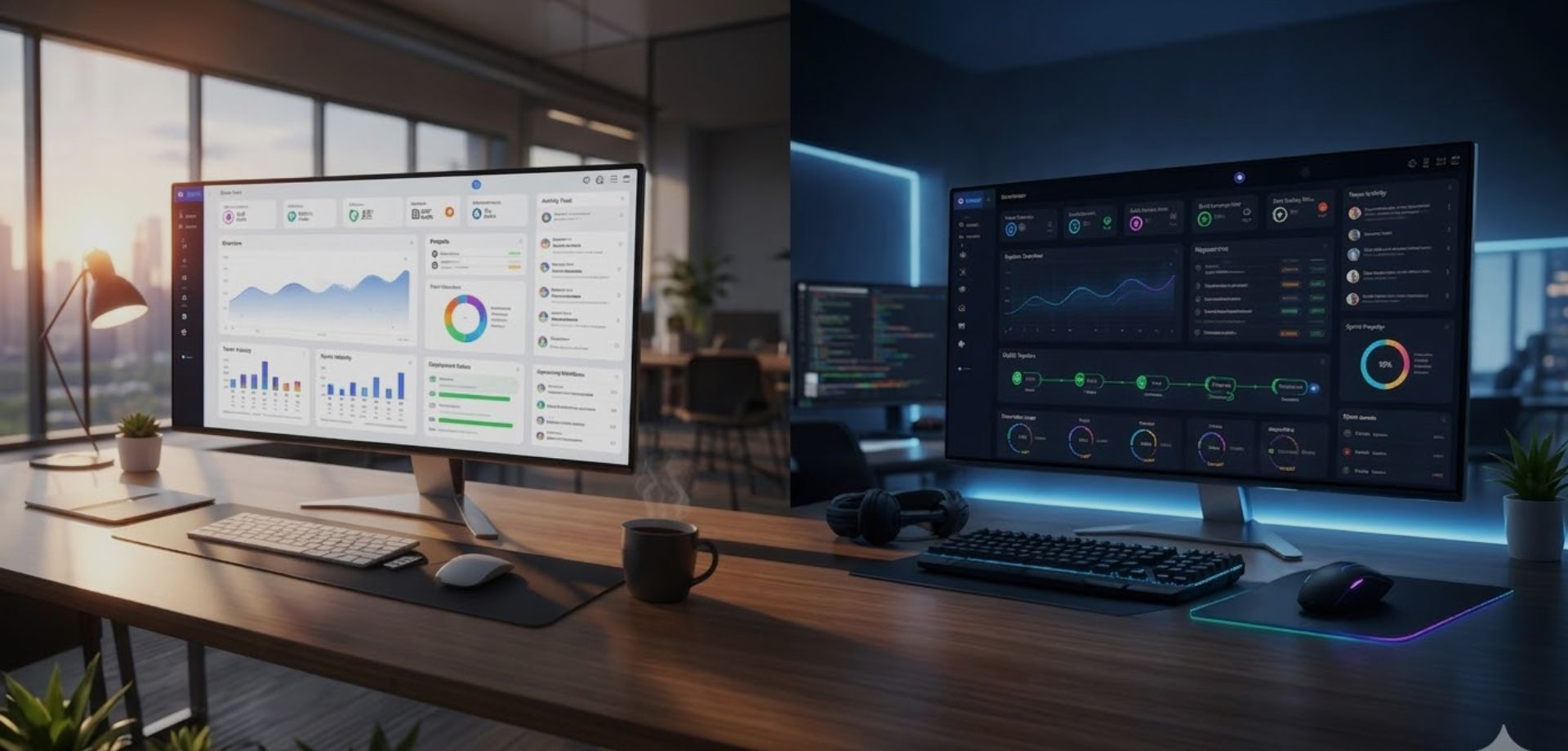
Managing stock effectively is one of the biggest challenges for many growing businesses. When inventory is tracked using notebooks, spreadsheets, or several disconnected applications, it can become difficult to know exactly what is available, what has been sold, and what needs to be reordered.
These challenges can affect cash flow, customer service, and profitability. A business may order products it does not need while running out of products customers actually want.
The right stock management system in Kenya can help solve these problems by bringing inventory information into one organised digital platform. It can also automate routine tasks, improve reporting, and connect stock management with sales, purchasing, invoicing, and other business operations.
But what makes a stock management system the best choice for a Kenyan business?
What makes a stock management system the best?
There is no single system that is best for every business.
The right solution depends on the size of your business, the number of products you manage, how many locations you operate, your sales channels, and the processes you want to automate.
For a small retailer, a straightforward inventory system may be enough.
A wholesaler with several warehouses may need advanced stock tracking, purchasing, sales, supplier management, and reporting.
A growing company may benefit from an ERP platform that connects inventory with finance, customers, purchasing, and other departments.
A business with unique processes may need custom software developed specifically around its operations.
The best system is therefore the one that solves your actual business problems without unnecessary complexity.
Why is stock management important for Kenyan businesses?
Poor stock management can have a direct effect on business performance.
If inventory records are inaccurate, employees may sell products that are no longer available. Customers may have to wait for items to be restocked, or orders may need to be cancelled.
Overstocking creates a different problem. Money becomes tied up in products that may take a long time to sell.
For example, a Nairobi electronics retailer needs to know which products are selling quickly and which are moving slowly. A food distributor needs to monitor stock carefully to avoid shortages and unnecessary waste.
A good digital system provides better visibility and helps business owners make more informed decisions.
What features should the best stock management system have?
The features you need depend on your business, but several functions are particularly useful.
Product management
The system should allow you to record products, categories, prices, units, suppliers, and other relevant information.
Stock tracking
You should be able to see current stock levels and monitor stock movements.
Purchasing
The system can help record purchases and update inventory when new products are received.
Sales integration
When a product is sold, the system can automatically adjust the stock balance.
Low-stock alerts
The system can notify employees when products reach predefined minimum levels.
Reporting
Business owners can access reports covering stock levels, sales, purchases, and other important information.
Multi-location management
Businesses with multiple branches or warehouses can track inventory at different locations.
These features can reduce manual work and provide a clearer view of business operations.
Can a stock management system automate inventory processes?
Yes. Automation is one of the biggest advantages of moving from manual stock records to digital software.
For example, a business can set a minimum stock level for each product.
When the quantity falls below that level, the system can automatically generate an alert.
Other processes can also be automated.
A system could automatically:
- Update stock after a sale
- Add stock after receiving a purchase
- Generate stock alerts
- Record stock transfers
- Produce inventory reports
- Notify employees about specific stock activities
- Generate purchase requests
This means employees do not have to manually check every product every day.
Automation can improve efficiency and allow staff to spend more time on customers and other productive activities.
Can stock management software connect with sales and invoicing?
Yes, and this can be particularly valuable for businesses with many daily transactions.
Imagine a Kenyan retail business that records every sale manually in a sales book and then updates a spreadsheet at the end of the day.
This creates extra work and increases the risk of errors.
With an integrated system, the sale can be recorded once.
The system can then update the stock quantity, record the transaction, and generate an invoice or receipt where applicable.
This creates a more connected workflow.
For businesses selling through physical shops and online channels, integration can also help maintain more consistent inventory information.
Is ERP better than a standalone stock management system?
Not necessarily.
An ERP (Enterprise Resource Planning) system can manage inventory alongside other areas such as sales, purchasing, finance, suppliers, employees, and operations.
This can be useful for larger or more complex businesses.
For example, a Kenyan distribution company may use an ERP to manage purchasing, warehouse stock, customer orders, sales, invoicing, and financial information.
However, an ERP may be more extensive than a small business requires.
If your main need is inventory control, a dedicated stock management system could be more practical.
The important thing is to select a solution based on your operational requirements rather than choosing software simply because it has more features.
Can a custom stock management system be better for some businesses?
Yes.
Custom software development can be useful when your business has processes that standard applications cannot handle effectively.
Consider a Kenyan distributor with several warehouses, sales representatives, customer-specific pricing, delivery operations, and stock transfer requirements.
The business may need a workflow that is different from a typical retail store.
A custom system can be designed around those processes.
It could connect stock management with customer management, sales, purchasing, delivery tracking, invoicing, and reporting.
This provides flexibility while allowing the business to build a system that can evolve as its requirements change.
Can I manage stock across multiple branches?
Yes. A suitable system can provide centralised visibility across different branches and warehouses.
For example, a business with outlets in Nairobi, Mombasa, and Kisumu could use one platform to monitor stock at each location.
Management could see which products are available at each branch and make decisions about stock transfers or purchasing.
This can be much easier than calling individual branches or waiting for employees to send spreadsheet updates.
Multi-location inventory management can be especially valuable for retailers, wholesalers, distributors, manufacturers, and businesses expanding into new locations.
Can cloud software help me manage stock remotely?
Yes.
A cloud-based stock management system can allow authorised users to access inventory information online.
This can be useful for business owners who travel, companies with multiple branches, and employees working outside the main office.
For example, a manager could review stock reports while away from the business premises.
A branch employee could update stock information while another authorised employee views the same information from a different location.
Cloud application development can therefore provide flexibility while supporting centralised business management.
Security should always be considered. User permissions, authentication, backups, secure connections, and appropriate data protection measures should be part of the system design.
Can stock management improve customer experience?
Absolutely.
Customers want accurate information about product availability.
If your website or sales team says a product is available when it is actually out of stock, the customer may become frustrated.
Accurate inventory information can help businesses provide more reliable answers and fulfil orders more efficiently.
For an online retailer, this becomes even more important.
A properly integrated system can help keep online product availability connected to actual stock levels.
This can reduce cancelled orders and improve customer confidence.
How can I choose the right stock management system in Kenya?
Before selecting software, consider your business requirements carefully.
Ask yourself:
How many products do I manage?
A small business with a limited product range may need a simpler system than a large distributor.
Do I operate multiple locations?
If you have branches or warehouses, make sure the system can support them.
Do I sell online?
If you operate an online store, consider whether your stock system can integrate with your online sales process.
Do I need purchasing and supplier management?
If purchasing is closely connected to inventory, integrating these functions can improve efficiency.
Do I need automation?
Identify tasks such as low-stock alerts, reporting, or order processing that could be automated.
Will the system grow with my business?
Consider future users, branches, products, transactions, and integrations.
A good technology solution should solve today’s problems while leaving room for tomorrow’s growth.
Why consider Simpat Systems for stock management software?
Simpat Systems is an experienced technology company in Kenya providing digital solutions for businesses with different operational requirements.
Its services include web application development, cloud application development, custom software development, business automation, ERP, CRM, and other digital solutions.
For businesses looking for a stock management system, the solution can be developed around their specific requirements.
A retailer may need sales and inventory integration.
A wholesaler may require warehouse management and supplier processes.
A growing distributor may need stock management connected to ERP, CRM, purchasing, invoicing, and reporting.
The focus is on creating practical systems that support efficiency, productivity, flexibility, scalability, security, and customer experience.
Rather than assuming that every business needs the same software, the development process can begin with understanding how your business currently manages stock and where improvements are needed.
Is a stock management system suitable for small businesses?
Yes.
Small businesses can benefit from digital stock management even if they only have one location.
A system can help track products, purchases, sales, stock levels, and low-stock items.
As the business grows, additional features can be introduced, such as multiple branches, online ordering, automation, reporting, supplier management, or integration with other business systems.
Starting with the most important stock challenges can make the move to digital management more manageable.
Frequently Asked Questions
1. What is the best stock management system in Kenya?
The best system depends on your business requirements. A simple inventory application may suit a small retailer, while larger or specialised businesses may need ERP or custom software.
2. How much does a stock management system cost in Kenya?
There is no standard price. Cost depends on features, users, products, locations, integrations, automation, security, and whether the system is customised.
3. Can stock management software manage multiple branches?
Yes. A properly designed system can track stock across multiple branches, warehouses, or other locations from a central platform.
4. Can a stock management system connect to my online store?
Yes. Depending on the technology used, it can be integrated with an e-commerce platform or custom web application to help synchronise inventory information.
5. Is custom stock management software worth it?
It can be worthwhile when your business has unique inventory processes, specialised workflows, or integration requirements that standard software cannot handle effectively.
Ready to Improve Your Stock Management?
Choosing the best stock management system in Kenya is less about finding software with the longest feature list and more about finding a solution that fits the way your business operates.
The right system can improve stock accuracy, reduce manual work, automate repetitive processes, support multiple locations, provide better reports, and help deliver a more reliable customer experience.
Whether you need a dedicated inventory system, ERP, cloud application, or custom stock management platform, the first step is to understand your current processes and identify where technology can provide the greatest value.
Contact Simpat Systems for professional digital solutions and a free quote.
Call/WhatsApp: +254 710 196387
Email: simpat@simpatsystems.co.ke
Whether you need custom software development, web application development, cloud application development, ERP, CRM, business automation, stock management, or another digital solution, Simpat Systems can help you build a practical, secure, and scalable system designed around your business needs.
-
Previous Post
Where Can I Get an Inventory Management System in Kenya?
-
Next Post
How Can I Automate Stock Management?