


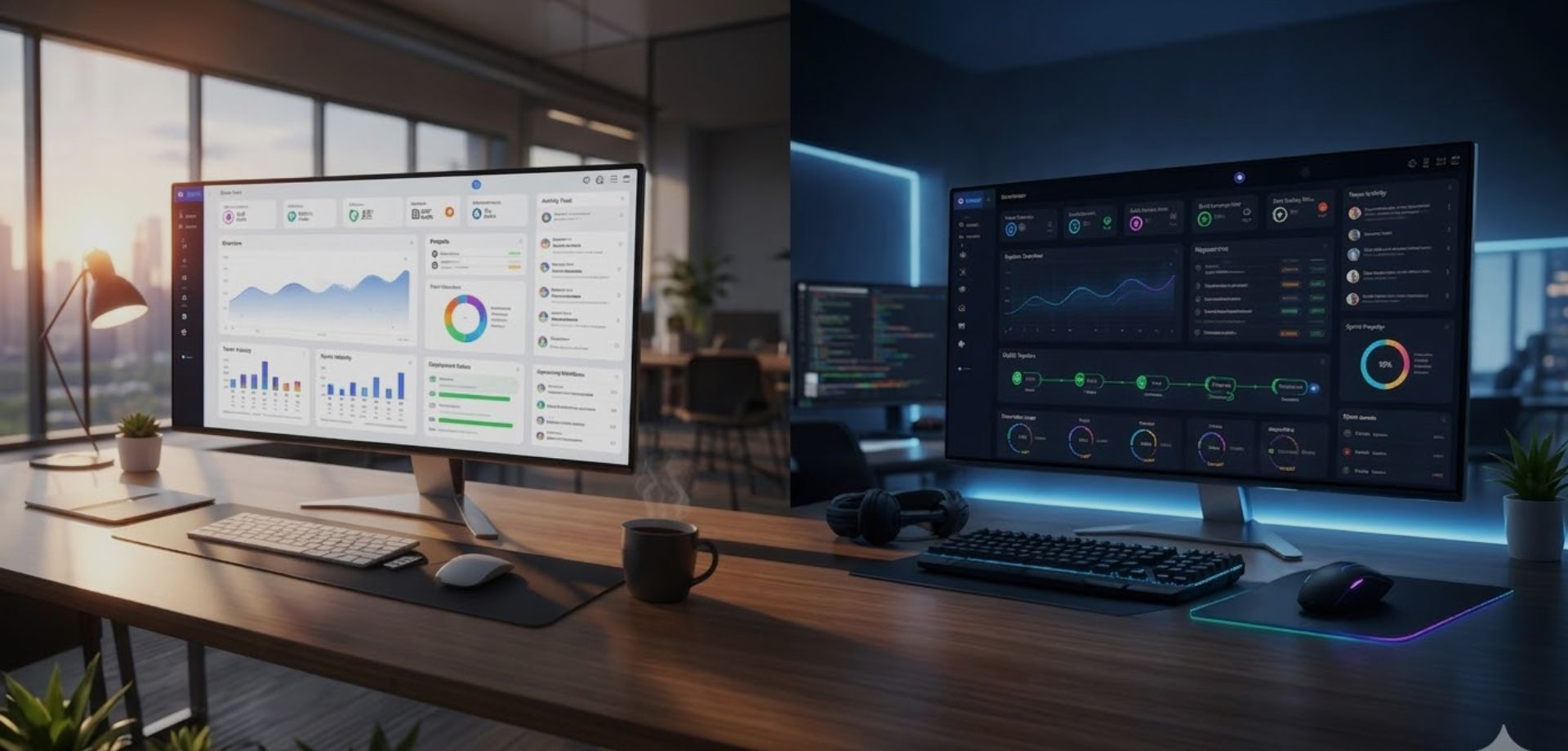
Managing employees is an important part of running a successful business, but it can become increasingly difficult as a company grows. Business owners often have to deal with employee records, payroll calculations, attendance tracking, leave requests, and performance reviews. When these activities rely on paperwork and spreadsheets, mistakes can occur, information can be difficult to retrieve, and valuable time is lost on repetitive administrative tasks.
An HR management system in Kenya can help businesses overcome these challenges by bringing essential human resource activities into one digital platform. By automating routine processes, companies can improve efficiency, organize employee information, and create a better working experience for their teams.
Whether you run a small business in Nairobi, a retail chain in Mombasa, or a growing company with several branches, the right HR technology can support your operations and future growth.
What Is an HR Management System?
A Human Resource Management System (HRMS) is software designed to help businesses manage employee information and human resource activities digitally.
Instead of maintaining separate files for staff details, attendance, leave, payroll, and performance, an HRMS allows authorized users to manage these activities through a centralized platform.
Depending on the solution, features may include:
- Employee records and document management.
- Attendance and working-hour tracking.
- Leave applications and approval workflows.
- Payroll preparation and payslip generation.
- Recruitment and employee onboarding.
- Performance reviews and training records.
- HR reports and workforce analytics.
- Employee self-service portals.
For example, a distribution company in Nakuru can use an HR system to maintain records for drivers, warehouse staff, sales representatives, and office employees. Managers can access the information relevant to their teams without relying on disconnected spreadsheets.
The goal is to make employee management more organized, accurate, and efficient.
Why Do Businesses in Kenya Need HR Management Software?
Manual HR processes may be manageable when a company has only a few employees. As the workforce expands, however, managing employee information becomes more complicated.
A growing business may experience payroll delays, inconsistent attendance records, misplaced documents, and difficulties tracking leave balances. These issues can affect productivity and create unnecessary administrative pressure.
An HR management system helps address these problems in several ways.
Improved efficiency: Routine tasks can be completed with less manual work.
Better accuracy: Centralized records reduce duplicate data entry and help minimize inconsistencies.
Increased productivity: HR teams can focus on recruitment, employee development, and workforce planning.
Faster reporting: Managers can retrieve relevant information without combining multiple spreadsheets.
Improved employee experience: Digital requests, notifications, and self-service features can reduce delays.
Support for growth: Scalable software can accommodate additional employees, departments, and business locations.
For Kenyan businesses competing in changing markets, these benefits can help build more consistent and reliable operations.
Which Features Should an HR Management System in Kenya Include?
The right features depend on your business size, industry, budget, and internal processes. However, several capabilities are particularly useful.
1. How Does Employee Records Management Help?
An HRMS stores employee profiles containing relevant details such as contact information, job titles, departments, employment dates, and approved documents.
Authorized staff can retrieve or update information when needed, reducing the time spent searching through paper files.
For example, a company in Kisumu can maintain employee records across its office, warehouse, and sales teams in one system. This makes it easier to prepare staff lists and maintain consistent information.
2. Can an HR System Simplify Payroll Management?
Yes. Payroll features can help calculate salaries, allowances, deductions, and net pay using configured rules and employee information. Depending on the software, they may also generate payslips and payroll reports.
For businesses in Kenya, it is important to confirm that the system supports applicable statutory deductions, contributions, and reporting requirements. Payroll rules should be reviewed and updated when requirements change.
Although automation can reduce repetitive calculations, an authorized person should verify payroll information before payments are finalized.
3. How Does Digital Attendance Tracking Work?
An HR system can record attendance through digital registers, mobile applications, web applications, or compatible attendance devices.
Depending on the setup, it may track working hours, lateness, absences, overtime, and shift schedules.
For example, a supermarket in Nairobi with several branches can use attendance records to help supervisors plan shifts and identify missing clock-in information before payroll preparation.
A suitable system should also provide a clear process for correcting errors and handling missed attendance records.
4. How Can HR Software Simplify Leave Management?
Employees can submit leave applications digitally, and managers can review requests according to company policy.
The system can maintain leave balances, record approvals, and send notifications when decisions are made. This reduces paperwork and helps managers plan staffing requirements.
For a logistics business operating in Mombasa and Eldoret, a centralized leave process can help maintain consistent policies while allowing local managers to approve requests for their teams.
5. Can HR Software Improve Employee Performance Management?
Some HR systems support performance reviews, goal tracking, training records, and feedback.
These features help managers document employee progress and identify development opportunities. When used consistently, they can support more structured performance discussions and workforce planning.
Should You Choose Cloud-Based or Custom HR Software?
Both approaches can be useful, depending on your requirements.
Cloud-based HR software allows authorized users to access the system through compatible devices and an internet connection. It can be suitable for businesses with multiple branches or managers who need to work from different locations.
Cloud solutions may also offer centralized updates, backups, and flexible capacity, depending on the provider and service agreement.
Custom HR software is designed around a company’s specific workflows. It may be suitable when your business needs specialized approval processes, customized reports, or integration with existing accounting or ERP software.
For example, a company with branches across Nairobi, Nakuru, and Kisumu may require centralized employee records but separate attendance approvals for each location.
Custom software can offer flexibility, but development, implementation, testing, training, and maintenance must be planned carefully. If your requirements are standard, ready-made software may be the more practical choice.
How Can You Choose the Right HR Management System?
Before investing in HR software, identify the problems you want to solve and compare potential solutions against your needs.
Consider these important factors:
- Ease of use: Can employees and managers learn the system quickly?
- Required features: Does it support your payroll, attendance, leave, and reporting needs?
- Scalability: Can it accommodate more employees and branches as you grow?
- Integration: Can it connect with existing accounting, ERP, or business applications?
- Security: Does it support appropriate access controls, authentication, and backups?
- Total cost: Consider subscriptions, setup, customization, training, and maintenance.
- Technical support: Understand how updates, user questions, and technical issues will be handled.
Ask for a demonstration and, where possible, test the system using realistic business scenarios. A solution should simplify your operations rather than introduce unnecessary complexity.
How Can Businesses Protect Employee Information?
HR systems may store personal information, employment documents, and confidential payroll records. Protecting this data is essential for maintaining employee trust and meeting applicable legal obligations.
Choose software with appropriate user permissions, secure authentication, controlled data sharing, and regular backups. Ensure employees only access information relevant to their responsibilities.
Your business should also establish clear policies for collecting, storing, sharing, correcting, and retaining employee information in line with applicable Kenyan data protection requirements.
If you choose a cloud-based system, ask the provider how data is stored, protected, backed up, and recovered after a technical problem. Security depends on both the software and responsible day-to-day administration.
How Can Simpat Systems Help With HR Digitalization?
Choosing HR software involves understanding your business processes, employee needs, and long-term goals. A suitable solution should reduce administrative work, support productivity, and remain flexible as your company grows.
Simpat Systems is a technology company in Kenya specializing in web application development, cloud application development, custom software development, business automation, ERP, CRM, and other digital solutions.
Simpat Systems can help businesses explore digital solutions tailored to their operational requirements, whether they need an employee management application, customized HR workflows, or integration between existing systems.
Depending on the project, a solution can support employee records, attendance tracking, leave approvals, payroll workflows, reporting, and employee self-service.
For example, a growing retail business in Mombasa may need a centralized system for employee records while allowing individual branch managers to manage attendance and leave requests. A well-planned solution can help streamline these activities and improve coordination across the organization.
The objective is to make daily operations more efficient, strengthen information management, and provide a more organized experience for employees and management.
Frequently Asked Questions
1. What is the best HR management system in Kenya?
The best system depends on your workforce size, budget, required features, and workflows. Choose software that is easy to use, secure, scalable, and supported by a reliable provider.
2. How much does an HR management system cost in Kenya?
Costs vary depending on features, employee numbers, hosting, customization, and support. Request a quotation based on your business requirements and expected ongoing expenses.
3. Can HR software manage payroll in Kenya?
Many systems support payroll calculations and payslips. Confirm that the solution accommodates applicable Kenyan payroll requirements and allows relevant rules to be maintained.
4. Can small businesses benefit from an HRMS?
Yes. Small businesses can use HR software to organize employee records, track attendance, manage leave, and reduce repetitive administrative work.
5. Can an HR management system be customized?
Yes. Custom HR software can be designed around specific workflows, reporting needs, approval structures, and integrations, depending on the project budget and requirements.
Improve Your HR Operations With Simpat Systems
Managing employees manually can consume valuable time, create unnecessary paperwork, and make it harder to maintain accurate records. The right HR management system can help automate routine tasks, improve productivity, and prepare your business for sustainable growth.
Ready to modernize your HR operations? Contact Simpat Systems to discuss your requirements, explore professional digital solutions, and request a free quote for an HR system suited to your business.
Call/WhatsApp: +254 710 196387
Email: simpat@simpatsystems.co.ke